
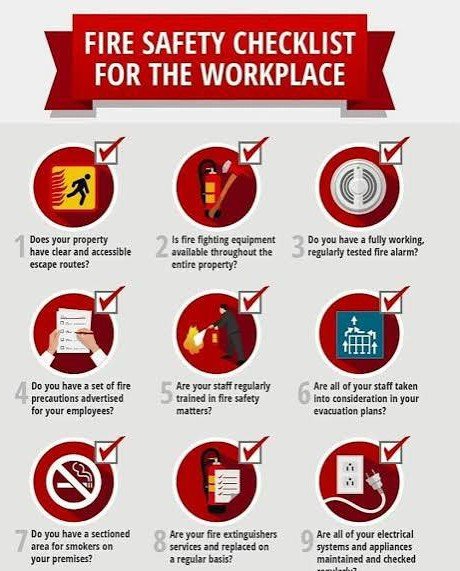
Winter brings cooler temperatures to many parts of Pakistan, encouraging families and businesses to use room heaters, electric blankets, gas appliances, and other heating equipment. While these devices can make indoor spaces more comfortable, careless use, poor maintenance, and unsafe electrical connections can increase the risk of fire.
Winter fire safety is important in homes, offices, shops, schools, factories, and apartment buildings. A fire may begin with an electrical fault, an overheated appliance, unsafe cooking practices, or combustible materials placed too close to a heat source. In some situations, poor ventilation and unsafe fuel-burning appliances can also create dangerous indoor conditions.
The good news is that many common hazards can be reduced through careful planning and simple safety habits. Families can inspect their surroundings, use heating equipment according to its instructions, keep escape routes clear, and make sure everyone understands what to do during an emergency.
A Fire alarm system in Pakistan can help alert building occupants to a possible fire, but it must be supported by suitable detection devices, appropriate firefighting equipment, safe electrical installations, and an effective evacuation plan.
This beginner’s checklist explains the main winter fire hazards and the precautions people can take to protect themselves, their families, and their workplaces.
1. Understand Why Fire Risks Can Increase During Winter
During colder weather, people often spend more time indoors and rely more heavily on heating equipment. These changes can introduce additional risks if appliances are damaged, incorrectly installed, or used without following the manufacturer’s instructions.
Portable heaters may be placed near curtains, bedding, furniture, or clothing. Electrical circuits may be used for several appliances at once. Gas appliances may receive less attention when people are focused on keeping rooms warm.
Seasonal decorations, blankets, carpets, and stored household items can also become hazards when placed too close to hot surfaces.
In some areas of Pakistan, families use different heating arrangements depending on local temperatures, building design, and available energy sources. Each arrangement has its own safety requirements.
The first step is to identify which hazards exist in your home or workplace. Look at heating equipment, electrical connections, cooking areas, fuel-burning appliances, storage spaces, and escape routes.
Do not wait for winter to reach its coldest point before checking these areas. Preparing early gives you time to arrange necessary repairs and replace unsuitable equipment.
2. Use Room Heaters Safely
Room heaters can provide warmth, but they need appropriate placement and careful operation.
Before using a heater, check its condition and follow the manufacturer’s instructions. Damaged plugs, exposed wiring, unusual noises, or signs of overheating should be investigated by a qualified professional.
Keep heaters away from curtains, bedding, clothing, paper, furniture, and other combustible materials. They should stand on a stable surface in a suitable location where they cannot easily be knocked over.
Avoid using a heater to dry clothes or warm items placed directly against it. Never cover an appliance unless its instructions specifically permit the intended use.
Children and pets should be kept away from hot surfaces and electrical connections. Heaters should not obstruct doors, corridors, or escape routes.
Portable electric heaters should be switched off when they are not needed and before people leave the area or go to sleep, unless the appliance’s approved design and instructions specify otherwise. Never leave a heater operating unattended contrary to its instructions.
Fuel-burning heaters require particular care because they can produce carbon monoxide if combustion or ventilation is inadequate. Use only appliances approved for the intended indoor environment, and never use outdoor cooking equipment to heat an indoor room.
3. Check Electrical Wiring and Appliances
Electrical faults are an important fire hazard throughout the year. In winter, increased use of heaters and other appliances can put additional demand on electrical circuits.
Start by checking visible plugs, sockets, extension leads, and appliance cables for damage. Discoloured sockets, repeated circuit-breaker trips, burning smells, or unusually hot plugs should not be ignored.
Avoid connecting several high-power appliances to one extension lead or socket. Use electrical equipment that is appropriately rated for the intended load, and have the installation assessed by a qualified electrician when necessary.
Do not use damaged cables, attempt improvised repairs, or bypass protective electrical devices. A circuit breaker or other protective device that repeatedly trips may indicate a problem that needs professional attention.
Portable heaters should be connected according to the manufacturer’s instructions. Extension leads should only be used where permitted and suitable for the appliance’s electrical requirements.
In workplaces, managers should ensure that electrical equipment is inspected and maintained according to the applicable safety procedures. Employees should know how to report faults and should not continue using equipment that appears unsafe.
Good electrical maintenance can help identify problems before they develop into a fire emergency.
4. Take Care With Gas Appliances and Fuel-Burning Equipment
Gas appliances can present fire and carbon monoxide risks if they are damaged, poorly maintained, incorrectly installed, or used in unsuitable conditions.
In Pakistan, the exact heating arrangements vary between households and regions. Some people use gas heaters, while others rely on electric heating or other appliances. Whatever the fuel source, equipment should be suitable for its intended purpose and maintained according to the manufacturer’s instructions.
Have gas appliances and associated connections installed and serviced by qualified professionals. Never improvise connections, modify regulators, or attempt repairs beyond your training.
If you suspect a gas leak, do not use flames or operate electrical switches in the affected area. Follow the appliance supplier’s emergency guidance, move away from the danger, and contact the appropriate emergency service or qualified gas professional from a safe location.
Fuel-burning appliances also require suitable ventilation and safe exhaust arrangements. Carbon monoxide is an invisible, odourless gas that can cause serious harm. A lack of smell does not mean an appliance is operating safely.
Never use a kitchen stove, charcoal burner, barbecue, or other outdoor combustion appliance as an indoor space heater. These uses can create serious fire and carbon monoxide hazards.
5. Keep Flammable Materials Away From Heat Sources
Everyday household items can contribute to a fire when placed too close to heating equipment or other hot surfaces.
Common examples include curtains, blankets, clothing, cardboard boxes, paper, cleaning materials, and some types of furniture.
During winter, people may place bedding and clothes near heaters to keep them warm. This can create unnecessary risks, particularly when items fall against a hot appliance or block its ventilation openings.
Create a clear area around heating equipment according to the manufacturer’s specified clearance requirements. Do not store items on top of heaters or allow cables, fabrics, or other materials to touch hot surfaces.
Keep matches and lighters out of children’s reach. Candles, where used, should be placed in stable holders and kept away from combustible materials. Extinguish them when leaving the room or before sleeping.
Storage rooms and corridors should also remain organized. Piles of packaging or other combustible materials can contribute to fire spread and make evacuation more difficult.
A quick daily check can help identify objects that have been moved too close to a heat source.
6. Install and Maintain Smoke Detectors and Fire Alarms
Early warning gives occupants an opportunity to respond to a possible fire. Smoke detectors and fire alarm systems are designed to identify or signal fire-related conditions and alert people who may need to evacuate.
Homes should have suitable smoke alarms installed in locations recommended by the manufacturer and applicable guidance. Larger buildings may need a more comprehensive fire alarm and detection system based on their size, use, layout, and safety requirements.
A Fire alarm system in Pakistan should be selected and maintained according to the building’s requirements and the advice of competent fire safety professionals. There is no single configuration that is suitable for every property.
Owners and managers should arrange appropriate inspections, functional tests, and maintenance. Battery warnings and system fault indicators should be addressed promptly. Detectors should not be covered, disconnected, or removed because of unwanted alarms; the cause should be investigated and corrected appropriately.
In commercial buildings, testing should follow an established procedure so occupants and responsible personnel understand when a test is taking place. Any faults or temporary loss of protection should be handled through the building’s safety arrangements.
Remember that an alarm is only one part of fire protection. People must also know the evacuation route and understand how to respond when a warning sounds.
7. Keep Emergency Exits and Escape Routes Clear
A fire emergency can cause confusion, particularly when people are unfamiliar with the building or visibility is reduced. Clear escape routes help occupants move towards safety.
Check that doors, corridors, stairways, and designated exits are not blocked by furniture, stored goods, shoes, boxes, or seasonal household items.
In apartment buildings, residents should not use shared stairways and corridors for storage. Building management should keep common escape routes accessible and ensure that exit signs and emergency lighting remain usable where required.
Families should discuss an evacuation plan before an emergency occurs. Everyone should know how to leave the home safely and where to meet outside.
Children, older adults, and people who may need assistance should be included in the plan. Assign appropriate support rather than expecting someone who needs help to manage alone.
During a fire, use a safe exit and follow emergency instructions. Do not use lifts or elevators during a fire evacuation unless an authorized emergency procedure specifically directs their use. Never return inside to collect personal belongings.
After leaving, remain in a safe location and wait for authorized personnel to confirm that it is safe to re-enter.
8. Practise Safe Cooking During Winter
Cooking remains a common source of residential fires throughout the year. During winter, households may prepare more hot meals and use cooking appliances more frequently.
Stay attentive while cooking and follow the appliance manufacturer’s instructions. Keep towels, paper products, packaging, and other combustible materials away from cooking surfaces.
Never leave cooking unattended when supervision is required. Clean grease and food residue from suitable surfaces and appliances according to the manufacturer’s guidance.
If cooking oil catches fire, never pour water onto it. Water can cause burning oil to spread and make the incident much more dangerous.
People should not attempt to handle a fire if doing so places them at risk. Raise the alarm, leave the area, and contact emergency services when necessary.
Gas cooking equipment should be maintained appropriately, and suspected leaks should be treated seriously. If a gas leak is suspected, avoid flames and electrical switches in the affected area and follow the relevant emergency instructions from a safe location.
Good cooking habits, appropriate equipment maintenance, and clear kitchen exits all contribute to winter fire prevention.
9. Pay Attention to Blankets, Bedding, and Candles
During cold weather, blankets, quilts, heavy curtains, and other fabrics are used more frequently. These items should be kept away from heaters, hot surfaces, and open flames.
Electric blankets and other electrically heated bedding should only be used according to the manufacturer’s instructions. Check for visible damage and do not use products with damaged wiring, plugs, or controls. Avoid folding or storing them in ways that the manufacturer prohibits.
Do not place portable heaters beside beds where bedding could fall onto them. Keep electrical cables positioned safely so that people do not trip over them or damage them with furniture.
If candles are used during winter evenings or power outages, keep them in stable holders on suitable surfaces away from fabrics, decorations, children, and pets. Never leave a burning candle unattended, and extinguish it before sleeping.
Where practical, use safer alternatives such as battery-powered lights instead of open flames during power interruptions.
These precautions are simple, but they can reduce common hazards in rooms where people spend long periods resting or sleeping.
10. Prepare a Winter Fire Safety Checklist
A written checklist makes it easier for families and building managers to turn safety advice into regular habits.
Before winter
- Inspect heating equipment and arrange necessary repairs.
- Have gas appliances checked by qualified professionals where required.
- Check visible electrical cables, plugs, and sockets for damage.
- Confirm that smoke alarms and fire alarm systems are maintained appropriately.
- Check that fire extinguishers and other required safety equipment are accessible.
- Review the household or workplace evacuation plan.
- Make sure all occupants know the emergency exit routes.
During winter
- Use heaters according to their instructions.
- Keep combustible materials away from heating equipment.
- Avoid overloading sockets and extension leads.
- Keep corridors, stairways, and exits clear.
- Report unusual smells, damaged equipment, or electrical faults.
- Never use outdoor combustion appliances indoors.
- Respond promptly to alarms and other warnings.
Before going to sleep or leaving home
- Turn off appliances that should not be left operating.
- Check that cooking activities have ended safely.
- Extinguish candles and other open flames.
- Ensure escape routes are accessible.
- Confirm that children know how to alert a responsible adult if they notice a possible fire.
For commercial premises, the checklist should be adapted to the building’s equipment, operations, staffing arrangements, and applicable fire safety requirements.
11. Understand Fire Safety Requirements in Pakistan
Fire safety arrangements should reflect the type of building, the hazards present, and the rules applicable to the property.
The Pakistan Engineering Council publishes the Building Code of Pakistan: Fire Safety Provisions 2016, developed in collaboration with the National Disaster Management Authority. It provides a national reference for fire protection and life safety in buildings. <Cite refs={[“turn568177search24″,”turn568177search1”]} />
However, the requirements that apply to a particular property may depend on its location, occupancy, building characteristics, and the relevant authority. Owners and managers should consult qualified professionals and the applicable local requirements rather than assuming that one checklist covers every building.
Homes, factories, offices, schools, hospitals, and high-rise buildings may need different fire protection arrangements. These can include alarm and detection systems, firefighting equipment, protected escape routes, emergency lighting, staff training, and formal emergency plans.
Maintenance is as important as installation. A system that has been disconnected, obstructed, or left unrepaired may not provide its intended protection.
For businesses, documented inspections, staff training, and periodic reviews can help keep safety procedures consistent. For households, maintaining alarms, using appliances safely, and preparing a family evacuation plan are practical starting points.
Conclusion
Winter fire hazards can often be reduced through careful preparation, responsible use of heating equipment, safe electrical practices, and regular maintenance. The most important steps include keeping combustible materials away from heat sources, using gas appliances safely, checking electrical equipment, maintaining smoke alarms, and keeping emergency exits clear.
A Fire alarm system in Pakistan can play an important role in warning occupants, but it must be supported by appropriate equipment, safe building conditions, and a clear evacuation plan.
Whether you are preparing a family home, apartment building, office, or commercial property, start with the hazards that are present and address them systematically. Arrange professional inspections when needed, follow the manufacturer’s instructions, and make sure everyone understands what to do if a fire occurs.
A little preparation before and during winter can help reduce risks and create a safer environment for everyone.
Frequently Asked Questions (FAQs)
1. What are the most common winter fire hazards?
Common winter fire hazards include unsafe heater use, damaged electrical equipment, overloaded sockets, unattended cooking, combustible materials placed near heat sources, and poorly maintained fuel-burning appliances.
2. How can I prevent heater-related fires at home?
Use heaters according to their instructions, keep them away from bedding and curtains, place them on stable surfaces, and arrange repairs for damaged equipment. Never use an outdoor combustion appliance to heat an indoor room.
3. Why is a fire alarm system important during winter?
Heating equipment and increased indoor activity can introduce additional fire risks. A suitable alarm system can warn occupants of a potential fire, helping them respond promptly when combined with a safe evacuation plan.
4. Should gas heaters be used in closed rooms during winter?
Only appliances approved for the intended indoor environment should be used, and ventilation requirements must be followed. Fuel-burning appliances can create carbon monoxide hazards if combustion or ventilation is inadequate. Never use outdoor cooking equipment as an indoor heater.
5. What should be included in a winter fire safety checklist?
Include heater and electrical checks, safe storage of combustible materials, smoke alarm maintenance, suitable firefighting equipment, clear escape routes, safe cooking practices, and a family or workplace evacuation plan.